
Image: The Ultimate Bird Drawing Throwdown Showdown Graphic featuring images of David Sibley and H. Jon Benjamin

Join BirdNote tomorrow, November 30th!

Illustrator David Sibley and actor H. Jon Benjamin will face off in the bird illustration battle of the century during BirdNote's Year-end Celebration and Auction!
RESERVE YOUR SPOT

Shows With Contributions by Dennis Paulson

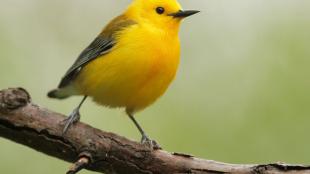
Prothonotary Warbler

Okefenokee Swamp and Prothonotary Warbler

The Okefenokee National Wildlife Refuge was set aside to protect the fabled Okefenokee Swamp of Georgia and Florida. Tall cypress trees and Spanish moss give the swamp a prehistoric appearance. The Prothonotary Warbler is one of the most striking of the swamp’s denizens. Having wintered in…
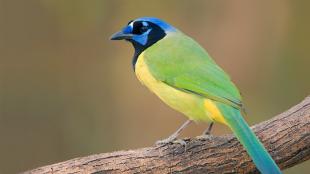
Green Jay in left profile, showing green back and tail, yellow body and blue and black head and beak

Green Jays and Santa Ana National Wildlife Refuge

Bird life is abundant on the Santa Ana National Wildlife Refuge in southern Texas. This large stretch of Tamaulipan brushland was preserved for its wildlife, including many species found nowhere else in the United States. One of the special birds on this refuge is the Green Jay. These jays…
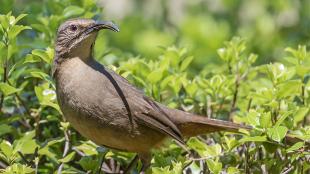
A California Thrasher, in left profile with the head turned toward the shoulder, perched in a bush in the coastal chaparral region. The California Thrasher's plumage is a soft dusty brownish gray, its eye is reddish brown and its long downward-curving beak is black.

Unique Chaparral

The dense cover of coastal chaparral supports many birds found nowhere else in the world, including this California Thrasher. The plant species are different, but the chaparral of California is much like shrubby coastal vegetation in southern Europe, South Africa, southern Australia, and…
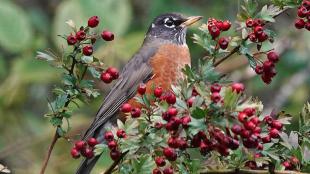
American Robin in hawthorn berries

Robins and Berries in Winter

It's mid-winter, and a passing flock of robins suddenly drops out of the sky. A moment ago, the yard was empty of birds, but now it's full. They settle in a bush laden with fruits (like this hawthorne). When the robins pass over a fruiting shrub, those red berries signal like a neon sign…
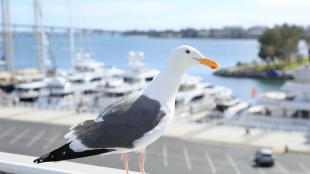
A gull on San Diego Bay

San Diego Bay in Winter

Birds (including Western Gulls, like this one) and people share San Diego Bay -- a deep-water port, navy ships, pleasure boats, and salt-evaporation ponds. Even so, it’s one of the best bird habitats on the West Coast. Western Sandpipers probe the mud for worms and snails. Egrets stalk the…
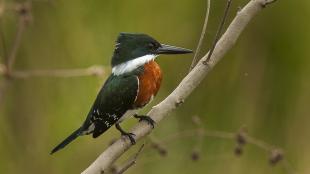
Green Kingfisher seen in profile, perched on a branch

Three Kingfishers

The Belted Kingfisher is the one species of kingfisher found throughout most of North America north of Mexico. You'll have to go to Texas to see two other kingfishers. The quiet call of the Green Kingfisher - like this one - can be heard at wooded streams and ponds. A Ringed Kingfisher…
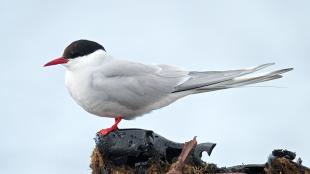
Arctic Tern

Why Arctic Terns Have Short Beaks

The bill and legs of Arctic Terns are shorter than those of Common Terns. Because Arctic Terns breed in the Arctic and winter in the Antarctic, they are subject to much colder weather than are Common Terns. Birds' bills and legs lose heat, because they're not covered by feathers. Birds in…
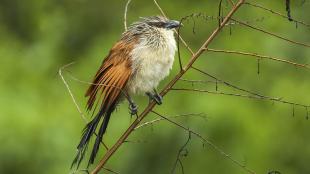
White-browed Coucal

White-browed Coucal

This White-browed Coucal - also known as Burchell's Coucal - is common in many parts of Africa. "Streaky and sneaky" best describes these birds, because you'll be lucky if you see one. Dew from their dense habitat often dampens their feathers. Then, they hop to the top of a bush and spread…
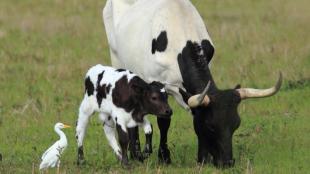
Cattle Egret with grazing cow and calf

Cattle Egret - You've Got a Friend in Me

Many birds that forage in open country, such as Cattle Egrets, benefit from association with large grazing mammals. The mammals scare up insects as they move, making them more visible to the birds. In the egrets’ native lands in Africa, the birds feed with elephants, rhinos, and Cape…
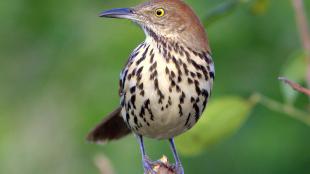
Brown Thrasher

Shelterbelts and Their Birds

Many species of birds nest in shelterbelts — also known as windbreaks — parallel rows of trees and shrubs planted to shelter houses, farms, and livestock from strong winds and drifting snow. Because shelterbelts often provide more food and lack the predators found in woodlands, they are…